Japanese public holidays
How Japanese national holidays, substitute holidays, and citizens' holidays are defined by law.
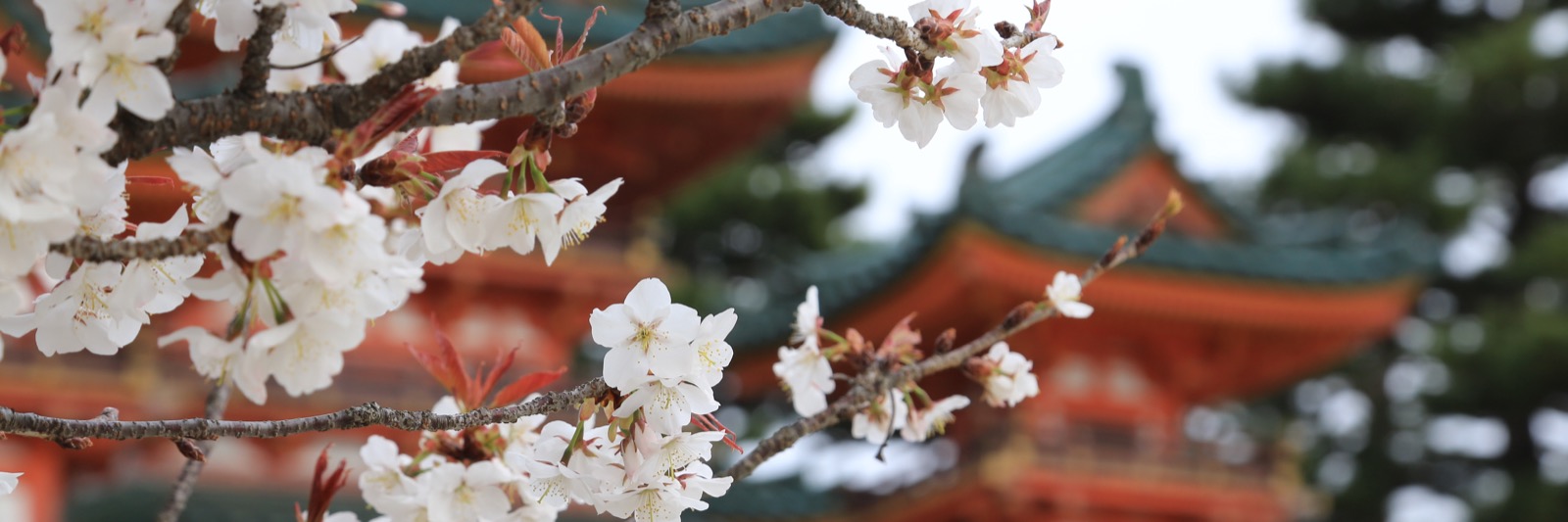
Japan's public holidays are defined by the 1948 "Public Holidays Act" (国民の祝日に関する法律). There are currently 17 statutory holidays, each celebrating an aspect of family, work, nature, or history.
The Public Holidays Act
The Act exists "so that the people of Japan, who freely seek peace, may build a better society and richer life by celebrating, expressing gratitude, or commemorating, together as a nation."
Substitute Holidays (振替休日)
When a holiday falls on a Sunday, the next non-holiday weekday becomes a substitute holiday. This was introduced in 1973.
Citizens' Holidays (国民の休日)
A non-holiday weekday sandwiched between two holidays becomes a citizens' holiday. The most famous example was September 22, 2009 — sandwiched between the Autumnal Equinox and Respect for the Aged Day.
Holiday list · 2026
-
Jan 1
Thursday
-
Jan 12
Monday
-
Feb 11
Wednesday
-
Feb 23
Monday
-
Mar 20
Friday
-
Apr 29
Wednesday
-
May 3
-
May 4
Monday
-
May 5
Tuesday
-
May 6
Wednesday
Substitute Holiday (振替休日)
-
Jul 20
Monday
-
Aug 11
Tuesday
-
Sep 21
-
Sep 22
Tuesday
Citizens' Holiday (国民の休日)
-
Sep 23
Wednesday
-
Oct 12
Monday
-
Nov 3
Tuesday
-
Nov 23